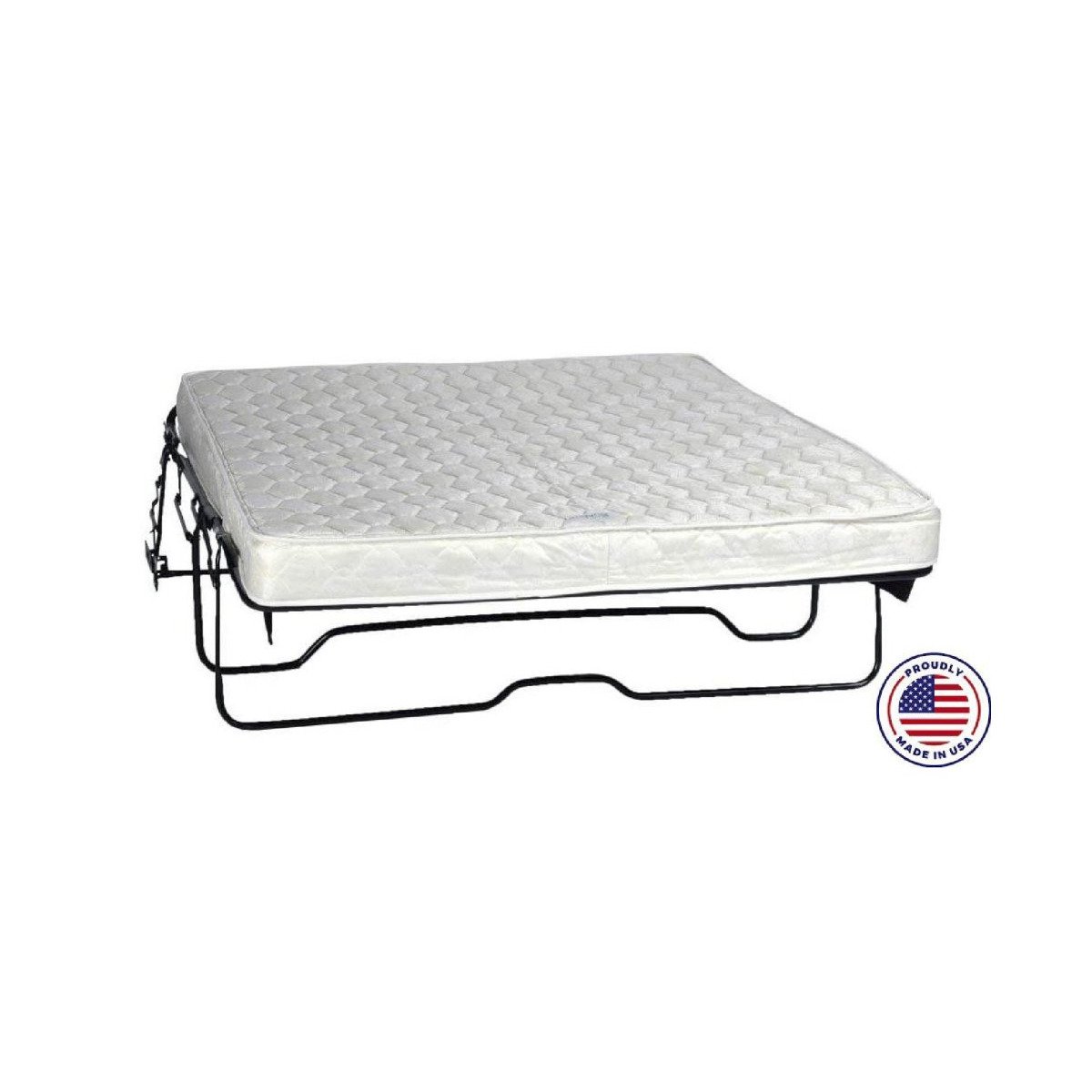
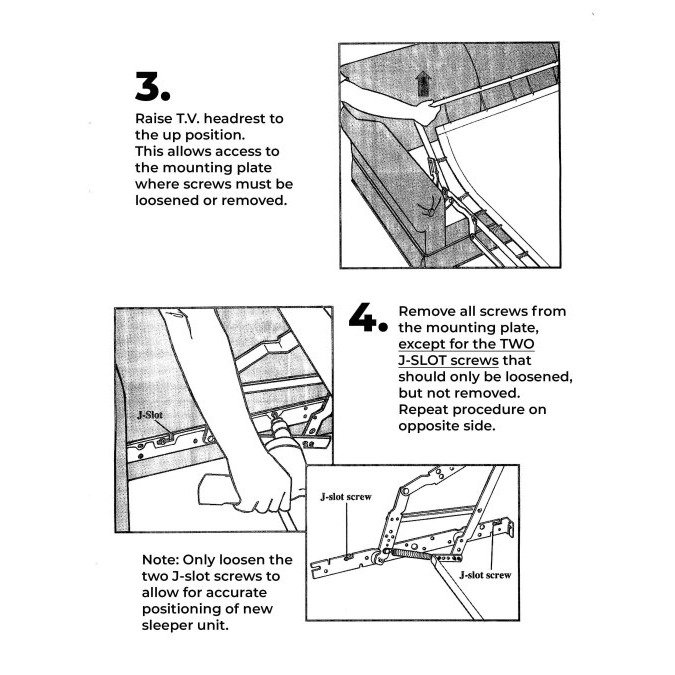
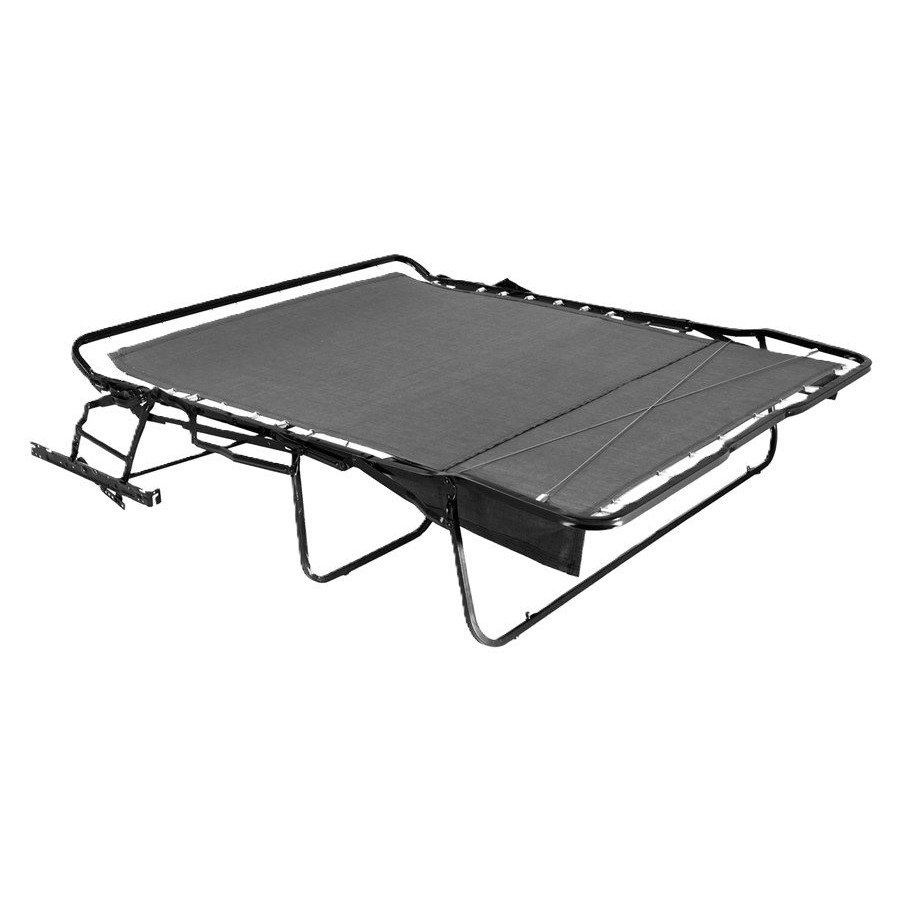
 how-to
Commercial Sleeper Mechanism Maintenance Tips
Table of Contents
- Sleeper Sofa Mechanism Lubrication Guide for Commercial Use
- Signs of Mechanical Failure in Sofa Beds and How to Inspect Sleeper Sofa Frames
- Commercial vs. Residential Duty Cycles: Sourcing Replacement Parts
- Frequently Asked Questions
Last Updated: September 25, 2026
Sleeper Sofa Mechanism Lubrication Guide for Commercial Use
Commercial sleeper mechanism maintenance starts with lubrication, and it's where most properties get it wrong.
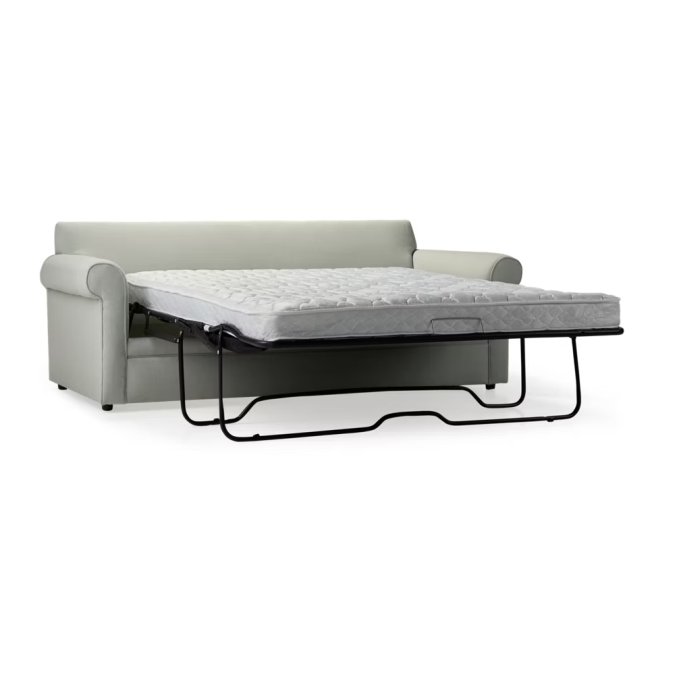
The rule that matters: use silicone spray, never oil or grease. Oil attracts dust and lint that grinds into the pivot assembly and wears the hinge tracks.
Follow this order every time:
- Open the sofa bed fully and lock it.
- Vacuum dust from the hinge tracks and decking.
- Wipe the pivot points with a dry cloth.
- Spray silicone lubricant into each pivot point and along the tracks.
- Fold and unfold twice, then wipe away excess.
A common mistake is spraying lubricant onto a dirty mechanism, pushing grit deeper into the pivot assembly. Clean first, always.
Signs of Mechanical Failure in Sofa Beds and How to Inspect Sleeper Sofa Frames
The clearest sign of mechanical failure is a frame that no longer opens smoothly or locks with a firm click. Everything else shows up as noise, sagging, or resistance.
Inspect sleeper sofa frames with a monthly walkthrough:
- Spring tension: Press the decking. Weak or uneven tension means replacement is coming.
- Latch clearance: The lock should engage without force. Grinding means misalignment.
- Frame alignment: A bent tube signals metal fatigue.
- Retaining fasteners: Check every bolt and screw. Tightening loose hardware is the cheapest fix you'll ever make.
- Webbing and support board: Sagging here points to worn webbing, not the frame.
- Corrosion: Rust on pivot points or decking shortens service life fast.
Commercial vs. Residential Duty Cycles: Sourcing Replacement Parts
A hotel mechanism cycles far more in one year than a home sofa does in its lifetime, which is why commercial-grade parts exist and residential advice falls short.
Preventative maintenance is the answer. Build a schedule, not a reaction.
| Task | Frequency | Why It Matters |
|---|---|---|
| Vacuum tracks and decking | Weekly | Removes debris that grinds pivot points |
| Lubricate with silicone spray | Monthly | Keeps hinge tracks moving freely |
| Tighten all hardware | Quarterly | Prevents frame misalignment |
| Inspect springs and decking | Quarterly | Catches sagging before failure |
| Check for corrosion | Twice yearly | Stops rust before it spreads |
When you source replacement parts, start with model number identification. It tells you the exact frame size, pivot assembly, and locking mechanism you need.
Hospitality Sleeper builds American-made sleeper mechanisms with square-tube frame construction, backed by over 35 years of experience. Our team identifies the correct replacement parts, including custom sizes for FF&E projects, and the exclusive Lifetime Service Policy keeps long-term performance simple for properties running hundreds of units.
For durability standards that guide commercial furniture, see the BIFMA furniture durability standards. For upholstery and flammability guidance, the Consumer Product Safety Commission publishes relevant requirements.
Frequently Asked Questions
How often should hospitality furniture mechanisms be lubricated?
In hotels and vacation rentals, lubricate pivot points and hinge tracks every 60 to 90 days. High-turnover rooms may need monthly service. Use silicone spray, which dries without collecting dust the way oil-based products do. Pair each lubrication visit with hardware tightening and debris removal from the tracks so the mechanism stays aligned and operates smoothly between guests.
What are the signs of mechanical failure in sofa beds?
Watch for sagging decking, bent pivot assemblies, a locking mechanism that will not engage, and grinding or popping sounds during folding. Visible rust, loose retaining fasteners, and upholstery damage near the frame also point to strain. Any of these signals means the mechanism needs inspection before the next guest arrives, since small faults progress quickly under commercial use.
Can you replace individual components of a commercial sleeper sofa frame?
Yes. Springs, webbing, support boards, latches, and pivot assemblies can be replaced individually when the square-tube frame itself is still sound. Inspect frame alignment and check for metal fatigue first, since a bent frame will keep damaging new parts. American-made mechanisms with documented model numbers make sourcing replacement parts straightforward and keep the frame in service longer.
Sleeper mechanism maintenance comes down to a schedule you actually keep. Hospitality Sleeper makes that easier with American-made square-tube frames, expert consultation for correct replacement parts, and a Lifetime Service Policy that removes the guesswork. Get started with Hospitality Sleeper and keep every mechanism in your portfolio opening smoothly for years.