 how-to
How to Extend Hotel Sleeper Life: 3 Proven Steps
Table of Contents
- Step 1: Build a Preventative Maintenance for Hotel Furniture Routine
- Step 2: Follow a Sleeper Sofa Mechanism Installation Guide
- Step 3: Troubleshooting Hotel Sleeper Mechanisms Before Damage Spreads
- Frequently Asked Questions
Last Updated: September 16, 2026
Step 1: Build a Preventative Maintenance for Hotel Furniture Routine
A preventative maintenance for hotel furniture routine is a scheduled inspection program that catches sleeper wear before guests notice it. Hospitality Sleeper leverages over 35 years of experience to provide robust, square-tube frame solutions that ensure long-term durability and superior guest comfort for hotels, resorts, and vacation rentals nationwide. Learning how to extend hotel sleeper life starts with the calendar, not the toolbox, and the same schedule is what will extend hotel sleeper life across every room on the property.
| Frequency | Task | Who Owns It |
|---|---|---|
| Daily | Housekeeping visual check on fold-out sofas | Housekeeping |
| Monthly | Open and close each sleeper, listen for grinding | Maintenance |
| Quarterly | Inspect frame welds, bolts, and mounting brackets | Maintenance |
Daily checks take seconds: housekeeping already enters every room, so it's a glance at the cushion line and a note if the sofa sits unevenly.
Monthly inspections matter: a mechanism that grinds on opening needs pivot-point attention. Catch it in month two and it's a lubrication task; catch it in month fourteen and you're replacing bent linkage.
Two mistakes show up constantly: inspecting only occupied rooms, so sleepers in low-occupancy wings go untouched for a year, and treating the mattress as the mechanism, so the real problem, a sagging frame, stays put.
Step 2: Follow a Sleeper Sofa Mechanism Installation Guide
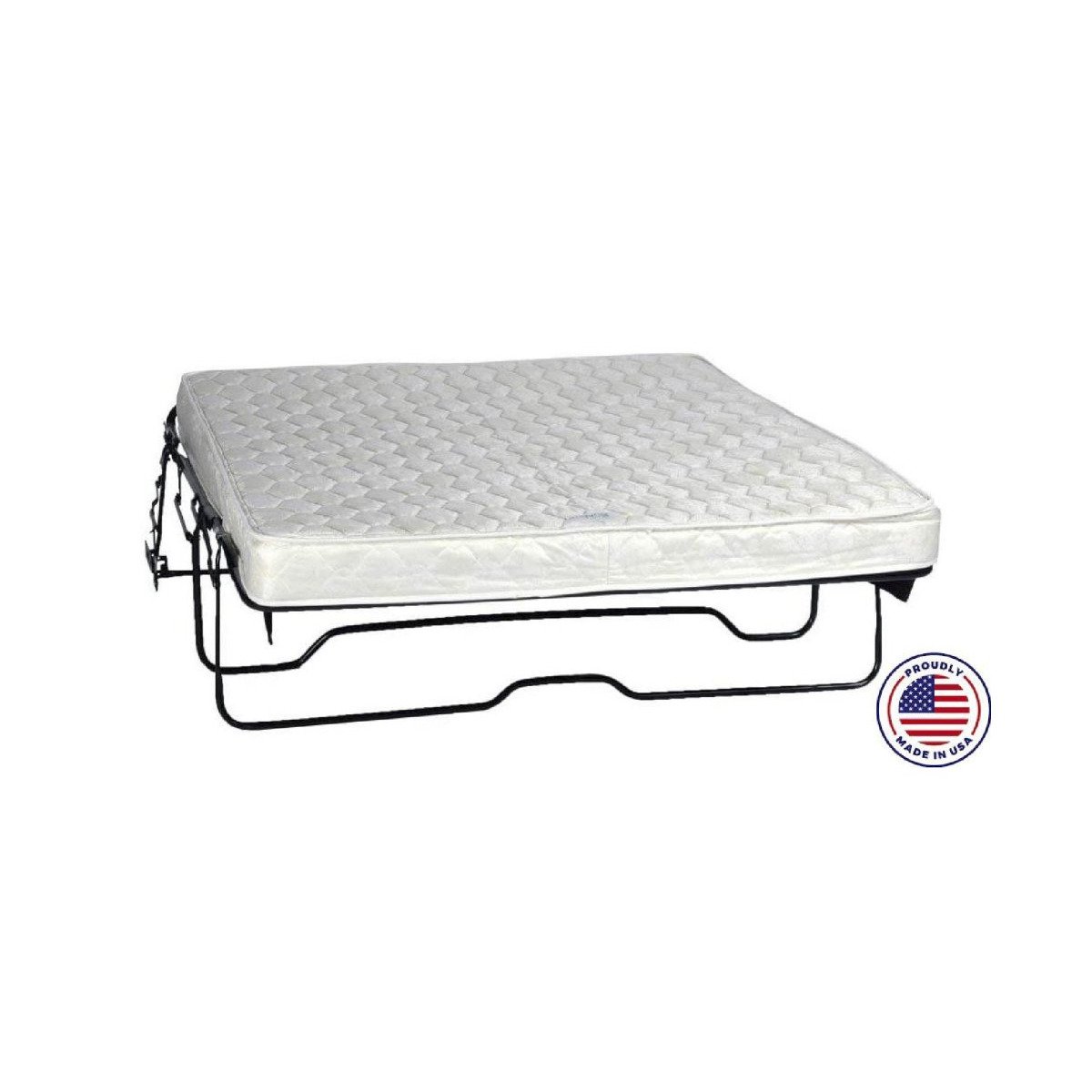
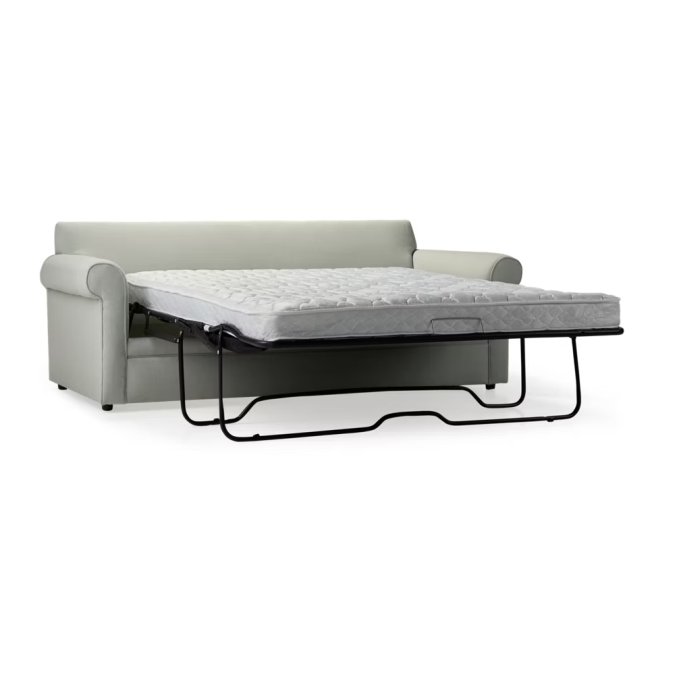
A sleeper sofa mechanism installation guide exists to prevent the most expensive mistake in this work: installing a mechanism that doesn't match the frame. Hospitality Sleeper offers expert consultation for identifying correct replacement parts.
Start with measurement, not ordering. You need four numbers: frame width at the mounting points, mounting bracket spacing on the existing rails, deck height from floor to platform surface, and mechanism depth when fully folded. Write those down and photograph the mounting points.
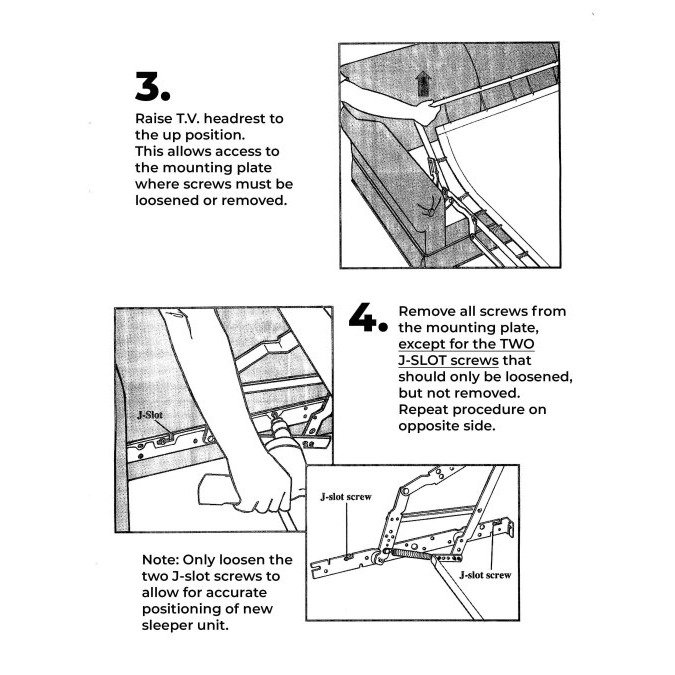
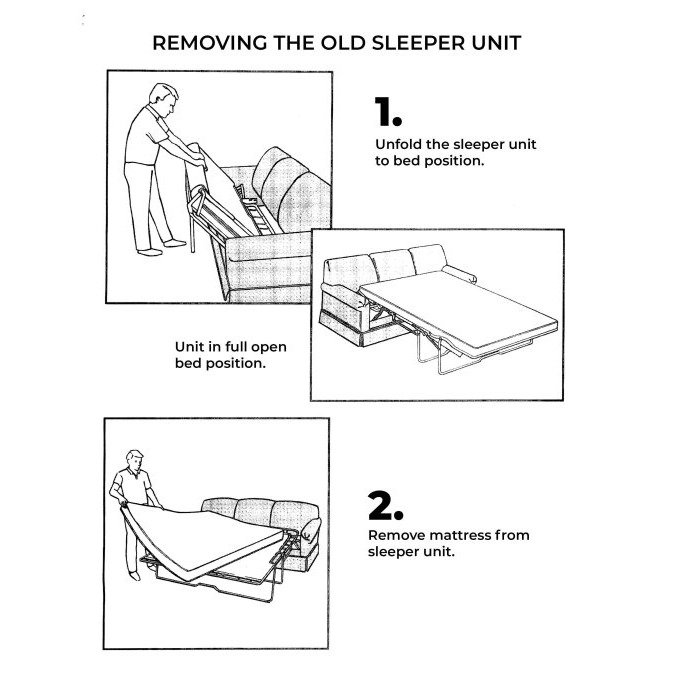
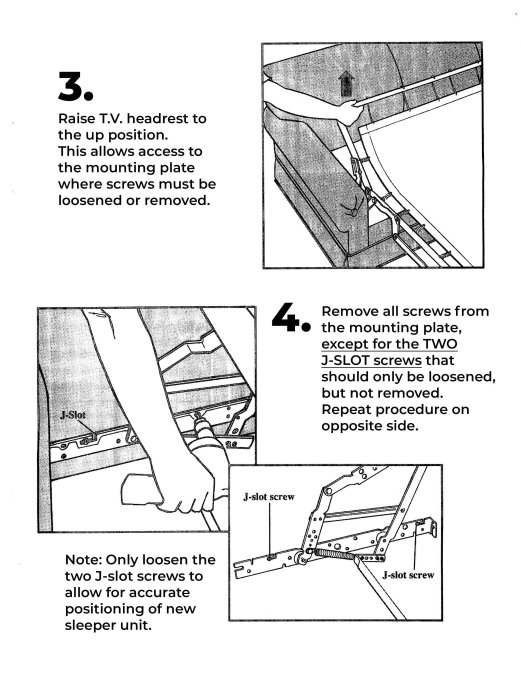
When the replacement arrives: remove the mattress, unbolt the old mechanism while supporting the frame, inspect the wooden rails for splitting or stripped bolt holes, seat the new mechanism and hand-thread all bolts, tighten in a cross pattern so the frame doesn't rack, then cycle it open and closed three times before the mattress goes back on.
Square-tube frame construction is the specification worth understanding. Round-tube frames flex under repeated load and develop play at the welds, which is why properties replacing mechanisms every few years often replace them again.
If your property works with furniture manufacturers on contract sofa lines, source the mechanism alongside the frame rather than retrofitting later. Hospitality Sleeper supplies mechanisms directly to manufacturers and to properties running their own renovation schedules, and can handle custom-sized units.
Step 3: Troubleshooting Hotel Sleeper Mechanisms Before Damage Spreads
Troubleshooting hotel sleeper mechanisms is mostly about reading symptoms early, because almost every failure announces itself before it becomes a guest complaint.
| Symptom | Likely Cause | Fix |
|---|---|---|
| Grinding on open | Dry pivot points | Clean and lubricate joints |
| Won't fold flat | Bent linkage or misaligned bracket | Realign or replace linkage |
| Sags on one side | Loose or stripped mounting bolt | Re-torque or replace hardware |
Work down that list in order. Lubrication and bolt torque solve more complaints than any other two actions combined.
The deeper question is when to stop troubleshooting and replace. If a mechanism has needed repair multiple times, replacement might be necessary. Hospitality Sleeper backs its mechanisms with an exclusive Lifetime Service Policy.
For procurement teams weighing a switch, the mechanism is the part guests never see and always feel. A sleeper that opens smoothly and sleeps flat is invisible; one that doesn't generates a complaint, a refund, and a review.
Extending sleeper life across a full property comes down to consistency: inspect on a schedule, install the right mechanism the first time, and act on symptoms before they become complaints.
Frequently Asked Questions
What is the average lifespan of a hotel sleeper sofa mechanism?
A commercial-grade sleeper mechanism in a hotel setting typically lasts 5 to 7 years with regular use, though heavy-traffic properties may see wear sooner. The lifespan depends on guest volume, frame construction, and how consistently you follow a preventative maintenance for hotel furniture schedule. Square-tube steel frames and routine lubrication help mechanisms reach the upper end of that range.
How often should hotel sleeper mechanisms be inspected?
Inspect every sleeper mechanism monthly in high-occupancy rooms and quarterly in lower-traffic units. During each inspection, open and close the bed fully, check the frame for bending or cracks, test the locking bars, and listen for grinding or popping sounds. Catching small issues early is the most reliable way to extend hotel sleeper life and avoid unexpected guest complaints.
What are the signs that a sleeper sofa mechanism needs replacement?
Warning signs include a sagging or uneven mattress platform, difficulty folding the bed back into the sofa, bent or cracked frame tubes, missing or loose hardware, and loud popping or screeching during operation. If troubleshooting hotel sleeper mechanisms does not resolve these issues after two attempts, replacement is usually the safer choice to protect guest comfort and prevent further damage.