 how-to
Reducing Furniture Maintenance Costs for Hotels
Table of Contents
- Step 1: Build a Preventative Maintenance Schedule for Hotel Furniture
- Step 2: Run a Hotel Furniture Repair vs Replacement Analysis
- Step 3: Set Up Staff Training for Furniture Damage Prevention
- How Does Preventative Care Lower Long-Term Costs?
- Why Does Furniture Quality Affect Maintenance Spending?
- Frequently Asked Questions
**
Step 1: Build a Preventative Maintenance Schedule for Hotel Furniture
Reducing furniture maintenance costs for hotels starts with scheduled inspections instead of emergency repairs. Catching a loose bracket early beats replacing a whole unit late.
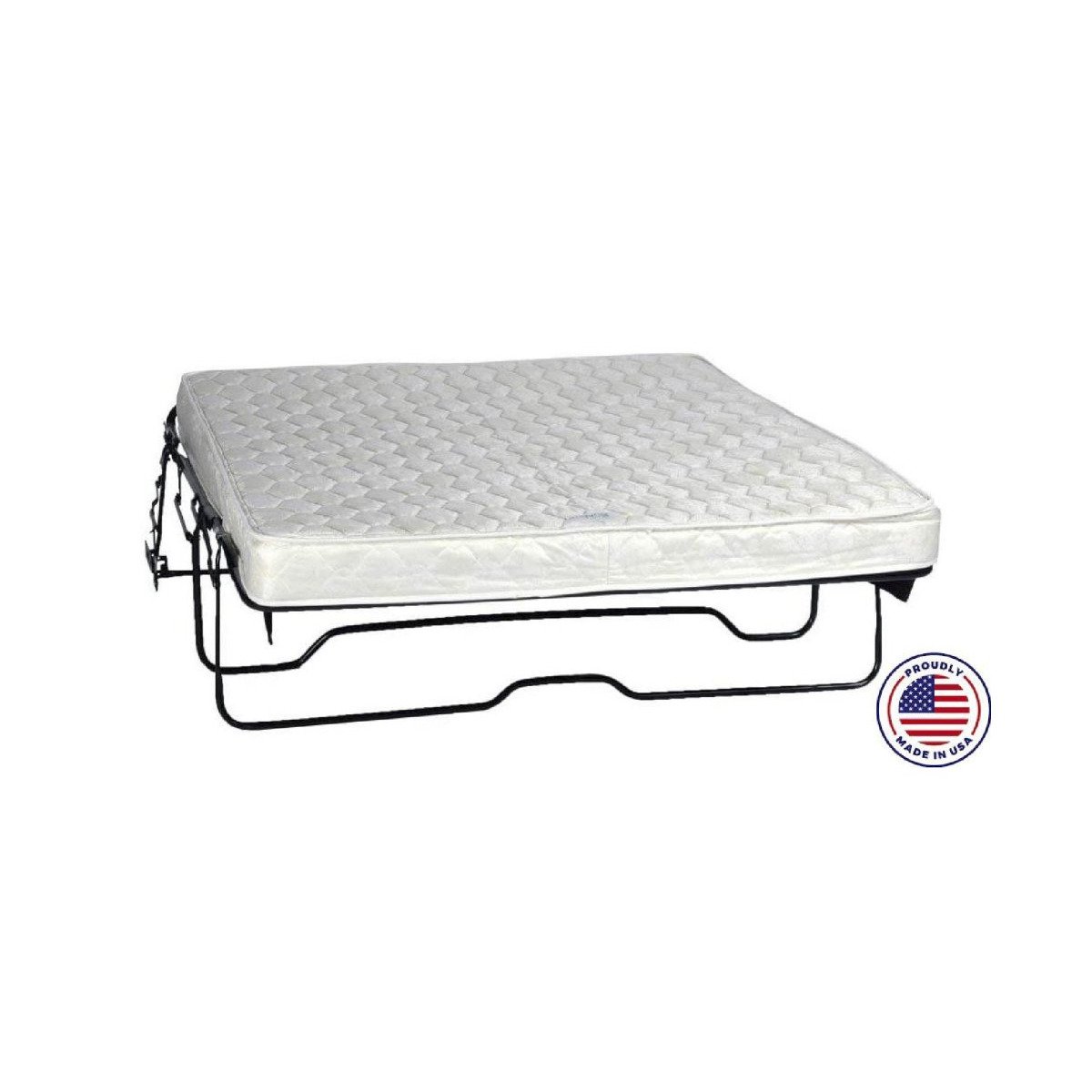
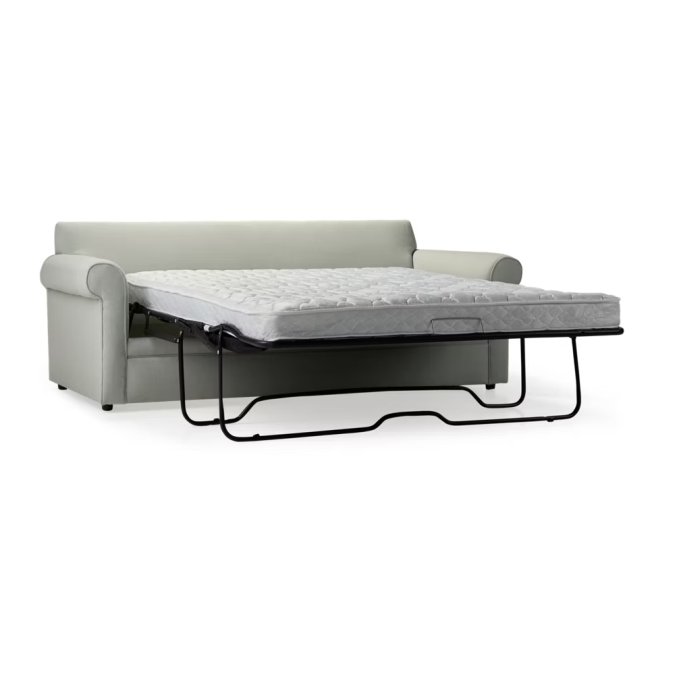
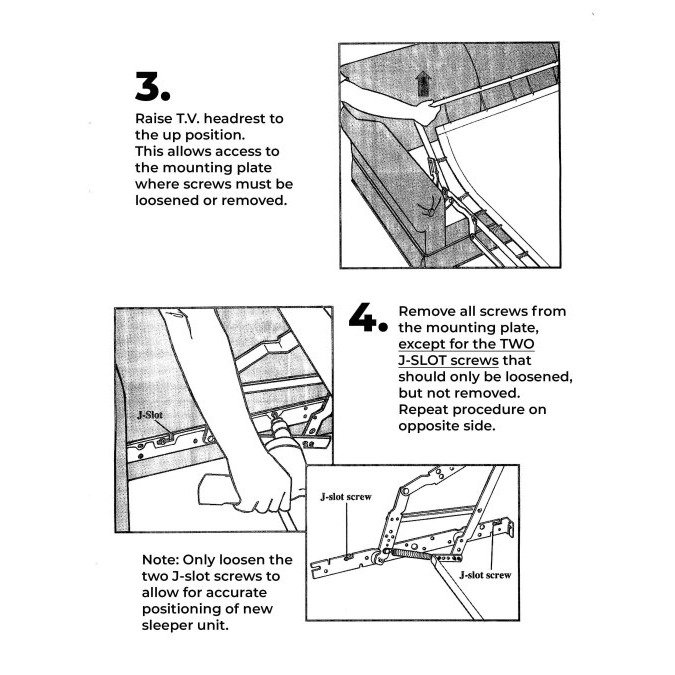
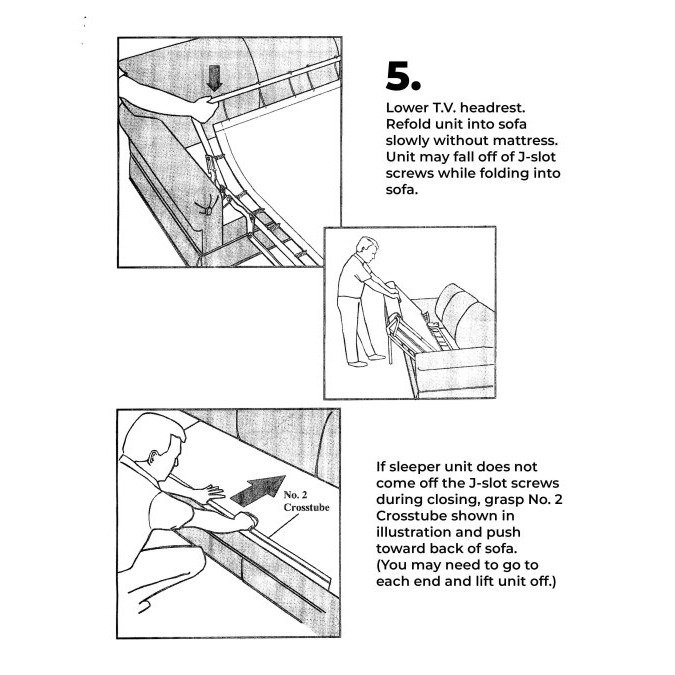
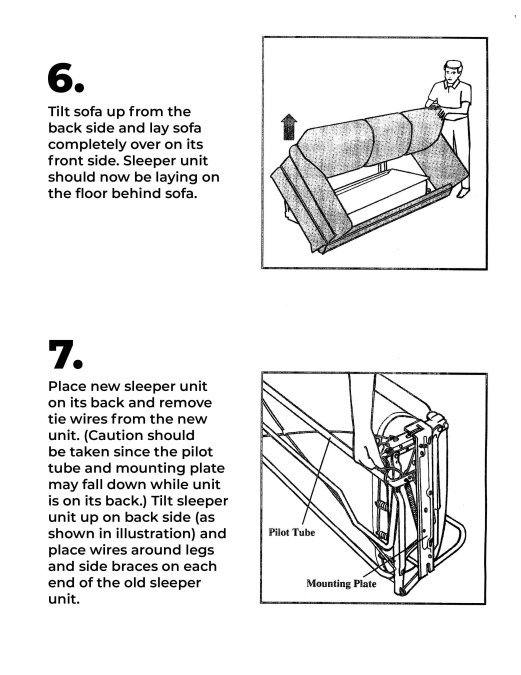
A preventative maintenance schedule sets fixed inspection dates for every piece. Check sleeper frames for bent tubes or loose joints, test the fold-out motion, inspect upholstery seams, tighten bolts, and log every issue with room number and date.
The EPA's guidance on indoor environmental quality notes that regular cleaning and inspection reduce long-term wear on furnishings. A short checklist beats a full-time repair crew.
Step 2: Run a Hotel Furniture Repair vs Replacement Analysis
A hotel furniture repair vs replacement analysis compares fixing a piece against buying new, then weighs guest impact. Ask: is the frame square and solid, is the damage cosmetic or structural, and does repair cost less than half a replacement? Structural problems usually mean replacement; worn upholstery or a sticky mechanism often means repair.
| Situation | Best Action | Why |
|---|---|---|
| Loose bolt or bracket | Tighten or replace part | Low cost, quick fix |
| Frayed upholstery | Reupholster | Frame still sound |
| Bent frame tube | Replace unit | Structure is compromised |
| Sticky mechanism | Service or swap part | Cheaper than full unit |
| Sagging mattress deck | Replace deck or unit | Guest comfort drops |
Step 3: Set Up Staff Training for Furniture Damage Prevention
Staff training for furniture damage prevention is the cheapest maintenance tool you own. Teach your team to lift rather than drag sleeper units, report wobbles immediately, match cleaners to each fabric type, and never force a stuck mechanism.
The OSHA guidance on safe work practices reminds employers that proper handling training reduces damage and injury at the same time.
How Does Preventative Care Lower Long-Term Costs?
Preventative care stops small problems from becoming big ones: inspections catch wear early, quick repairs extend unit life, and trained staff prevent avoidable damage, stretching your furniture maintenance costs across more years of service.
Why Does Furniture Quality Affect Maintenance Spending?
Furniture quality decides how often you repair: cheap frames bend, mechanisms jam, and upholstery tears. Look for square tube frame construction, replaceable mechanism parts, commercial-grade upholstery, and a clear service policy.
Frequently Asked Questions
What preventative maintenance schedules should hotels implement for guest room furnishings?
Build a tiered schedule: quick room-turn inspections for tears, stains, and loose hardware; monthly checks of sleeper mechanisms, hinges, and joints; and quarterly deep inspections of upholstery, frames, and high-traffic pieces. Log every finding so patterns appear early. Catching a worn mechanism before it fails keeps room turnover smooth and avoids replacing an entire sofa when a single component can be serviced.
How can staff training reduce furniture damage and repair frequency?
Train housekeeping and front desk teams to spot early wear, report damage the same day, and handle furniture correctly during cleaning and room turnover. Simple habits, like not dragging furniture across floors and using the right upholstery care products, prevent most avoidable damage. When staff know what to look for, small issues get fixed before they become expensive repairs or full replacements.
How does furniture quality impact long-term operational budgets?
Commercial-grade furniture with durable frames and mechanisms holds up longer under constant use, which lowers repair frequency and stretches the replacement cycle. That reduces capital expenditure and keeps rooms in service. Cheaper pieces often fail sooner, so the upfront savings disappear into repeated repairs and early replacements that disrupt renovation schedules and guest experience.