 blog
Wholesale Contract Furniture Components 2026: What Buyers Need
Table of Contents
- Wholesale Contract Furniture Components in 2026: Market and Sourcing Overview
- Commercial Sleeper Sofa Mechanisms: What Separates Contract-Grade from Residential
- Hotel Furniture Specifications and Sleeper Sofa Mechanism Dimensions: A Buyer's Checklist
- Government and Public-Sector Purchasing: How Contract Furniture Contracts Work
- Product Categories, Pricing Factors, and Minimum Order Quantities
- Supplier Comparison and Evaluation Criteria
- Frequently Asked Questions
Last Updated: October 18, 2026
Wholesale Contract Furniture Components in 2026: Market and Sourcing Overview
Wholesale contract furniture components in 2026 are the commercial-grade frames, mechanisms, and hardware bought in volume for hospitality and office lines. At Hospitality Sleeper, we have supplied American-made sleeper mechanisms for more than 35 years, and buyers now weigh vendor eligibility, contract terms, and product scope as carefully as unit price.
Commercial Sleeper Sofa Mechanisms: What Separates Contract-Grade from Residential
The difference comes down to the frame: contract-grade mechanisms use square-tube steel, heavier gauge, and reinforced mounting points, while residential units use lighter round tubing and thinner brackets.
Hotel Furniture Specifications and Sleeper Sofa Mechanism Dimensions: A Buyer's Checklist
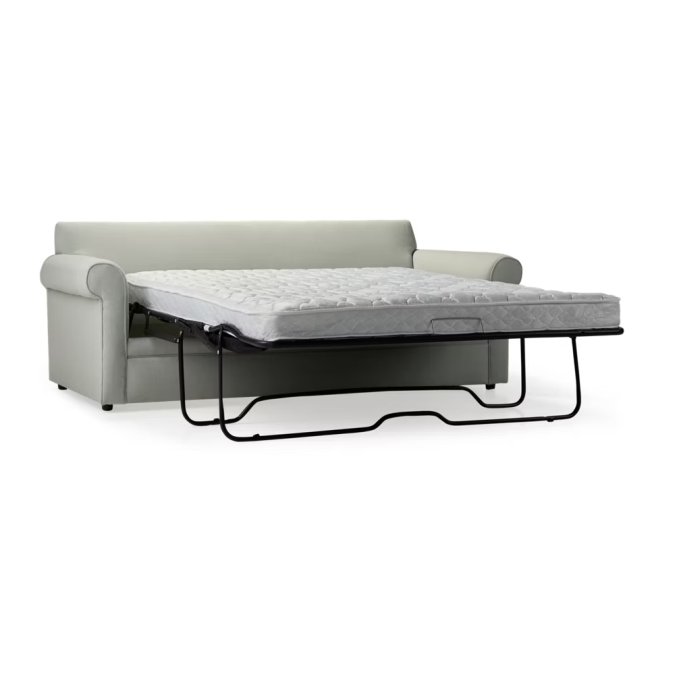
Sleeper sofa mechanism dimensions must match the sofa's frame opening, deck height, and mattress thickness first. When you source contract furniture components, confirm frame opening width and depth, deck height, mechanism length against mattress size, bracket hole spacing, weight rating, accepted mattress thickness, dimension drawings, and warranty in writing.
| Specification | What to Confirm | Why It Matters |
|---|---|---|
| Frame opening | Width and depth in inches | Mechanism must fit without shimming |
| Deck height | Floor to frame rail | Sets seat height and fold clearance |
| Mattress size | Full, queen, or custom | Mechanism length depends on it |
Custom dimensions are routine in hospitality FF&E work; request drawings before the purchase order.
Government and Public-Sector Purchasing: How Contract Furniture Contracts Work
Public-sector purchasing runs on contract documentation, not handshakes. A state purchasing office may award a negotiated contract with a defined contract period and effective date, then list an alternate contract source for agencies that need faster delivery, and vendors must meet eligibility rules before they can bid. The General Services Administration acquisition guidance explains how federal buyers structure these awards, and most state purchasing divisions publish their own contract listings. For buyers, this means you can check a vendor's executed contract history before you commit to a fiscal year order.
Product Categories, Pricing Factors, and Minimum Order Quantities
Contract furniture components split into a few clear categories: sleeper mechanisms, frames, brackets and mounting hardware, and replacement parts. Pricing depends on volume, steel gauge, customization, and delivery schedule, so we quote each project rather than publish a list. The U.S. Department of Commerce furniture industry data tracks production and sales performance across the contract segment, and the trend lines favor suppliers who can document durability.
Supplier Comparison and Evaluation Criteria
Evaluate a component supplier on five things: material grade, warranty terms, customization capability, lead time, and documentation. Ask for dimension drawings, weight ratings, and a written warranty before you compare quotes; a supplier who cannot produce those is a risk, no matter how low the price looks. Buyers now also ask about recycled steel content and finish safety, and the U.S. Environmental Protection Agency publishes guidance on sustainable purchasing that helps frame those questions. We built our Lifetime Service Policy around this idea: a mechanism should outlast the renovation cycle.
Frequently Asked Questions
What are contract furniture components, and how do they differ from residential parts?
Contract furniture components are the frames, mechanisms, and hardware built for commercial settings such as hotels, resorts, and extended-stay properties. Commercial sleeper sofa mechanisms typically use heavier steel and square-tube frames to withstand daily guest use, while residential mechanisms are rated for occasional use. Buyers should confirm frame construction before specifying components for a hospitality project.
What should buyers look for in wholesale furniture components for hotels?
Focus on four things: documented cycle ratings, material thickness and frame construction, dimensional drawings that match your existing sofa frames, and a supplier's service policy for long-term support. For sleeper sofa mechanism dimensions, request CAD or spec sheets showing mounting points and clearances. Also confirm the supplier works with your furniture manufacturers so integration is coordinated rather than left to your team.
How do buyers verify that a furniture component will fit an existing sofa frame?
Request dimensional drawings that show mounting hole spacing, overall width, depth, and clearances for the folded and open positions. Compare those figures against the existing frame before ordering. A supplier with experience in hotel furniture specifications should offer consultation to identify the correct mechanism for your frame, and custom-sized mechanisms are available when standard dimensions do not match a renovation project's requirements.
Sourcing contract furniture components in 2026 rewards buyers who check the frame, not just the invoice. Hospitality Sleeper builds American-made, square-tube sleeper mechanisms with over 35 years of manufacturing behind them, backed by our Lifetime Service Policy and expert consultation to match the right mechanism to your frame. Get started with Hospitality Sleeper and specify components that hold up through every renovation cycle.