 ultimate-guide
Extended Stay Hotel Furniture Durability: What Lasts
Table of Contents
- Why Extended Stay Hotel Furniture Durability Demands a Different Standard
- Commercial Sleeper Sofa Frame Engineering and the Benefits of Square Tube Steel Frames
- Hotel Furniture Material Standards for High-Traffic Guest Rooms
- Frequently Asked Questions
Last Updated: October 2, 2026
Why Extended Stay Hotel Furniture Durability Demands a Different Standard
Extended stay hotel furniture durability is the ability of casegoods, soft goods, and sleeper mechanisms to withstand continuous daily use over years of back-to-back occupancy. Hospitality Sleeper has spent more than 35 years building American-made sleeper mechanisms.
The difference is daily usage cycles: a transient room might see a guest for two nights, while an extended stay suite might house a family for three weeks, with the sleeper sofa opened daily.
Commercial Sleeper Sofa Frame Engineering and the Benefits of Square Tube Steel Frames
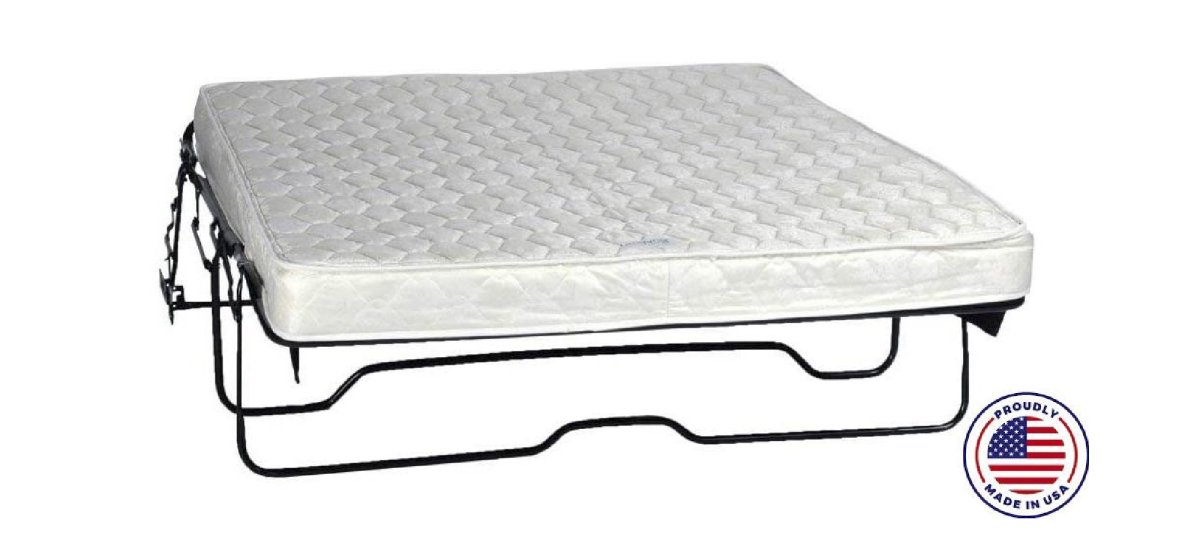
Commercial sleeper sofa frame engineering starts with the frame, because every other component depends on it. Square tube steel frames resist twisting and bending better than open-channel or angle-iron construction.
A square tube's flat sides meet at right angles, so welded joints distribute load across a wider surface, while round tube and channel frames concentrate stress where fatigue cracks begin.
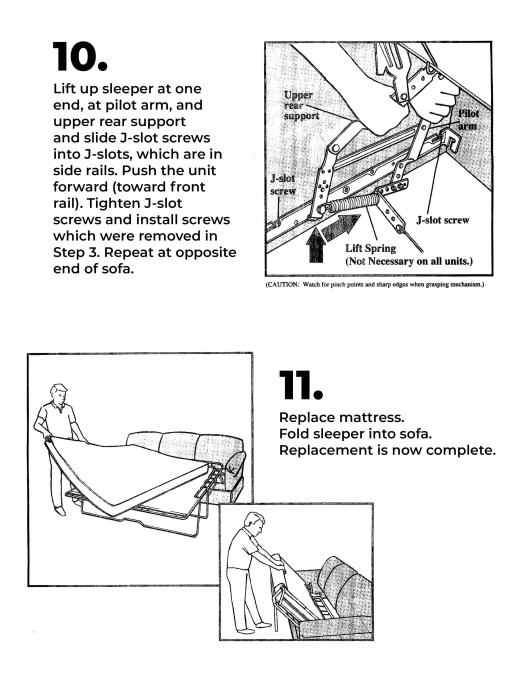
Other details separate commercial-grade from residential: reinforced joints at hinge and pivot points, heavier-gauge steel in load-bearing rails, hardware rated for thousands of cycles, and modular construction so one worn component can be replaced without scrapping the frame.
Hotel Furniture Material Standards for High-Traffic Guest Rooms
Hotel furniture material standards for high-traffic rooms prioritize surface finish, moisture resistance, and upholstery durability over appearance alone. Extended stay environments add humidity from daily showers and cooking, plus constant contact with luggage, food, and cleaning agents.
Solid wood and plywood cores outperform particleboard in moisture resistance and structural integrity, while laminate and veneer finishes determine scratch resistance and how well a surface survives sanitization.
For soft goods, upholstery grade is measured partly by rub count, the abrasion cycles a fabric withstands before showing wear. Extended stay rooms need higher rub counts than transient rooms because the same seat is used daily.
BIFMA furniture durability standards
| Component | What to Specify | Why It Matters |
|---|---|---|
| Frame | Square tube steel, reinforced joints | Resists twisting under daily use |
| Casegoods core | Plywood or solid wood | Moisture resistance, structural integrity |
| Upholstery | High rub count, moisture resistant | Handles heavy use and guest turnover |
Guests staying weeks need seating that supports them properly, and in humid regions moisture resistance becomes important for service life.
Frequently Asked Questions
What makes furniture suitable for high-traffic extended stay environments?
High-traffic extended stay properties need furniture built for daily usage cycles that far exceed standard hotel stays. Commercial-grade construction with reinforced joints, solid wood or plywood frames, and high rub count upholstery holds up better. Square tube steel frames resist bending and flexing under repeated use. Moisture-resistant finishes and scratch-resistant surfaces also matter because guests cook, eat, and live in the room for weeks at a time. Selecting furniture rated for contract use, not residential use, is the baseline requirement.
How often should high-use hotel furniture be evaluated for structural integrity?
Extended stay properties should inspect high-use furniture, especially sleeper sofas, every six to twelve months. Check reinforced joints, hardware quality, and frame alignment during routine maintenance turnarounds. Guests using sleeper mechanisms nightly accelerate wear and tear, so more frequent checks may be needed in properties with high guest turnover. Catching a loose joint or worn hinge early prevents bigger structural failures and extends the service life of the piece.
How does extended stay hotel furniture durability impact guest satisfaction?
Guests staying for weeks notice sagging cushions, squeaky frames, and wobbly tables immediately. Furniture that feels solid and looks clean signals that the property is well maintained. Ergonomic design and comfortable seating become more important over longer stays because guests use the furniture daily for work, meals, and rest. Durable furniture reduces the number of complaints about broken or worn items, which directly affects review scores and repeat bookings. Properties that invest in commercial-grade furniture see fewer mid-stay room moves and maintenance calls.
Extended stay properties face a durability problem that standard furniture advice doesn't solve. Hospitality Sleeper builds American-made sleeper mechanisms with square tube steel frames, reinforced joints, and an exclusive Lifetime Service Policy, backed by more than 35 years of experience and expert consultation to identify the correct replacement parts. Get started with Hospitality Sleeper and specify mechanisms engineered for the daily usage cycles your rooms actually see.