 ultimate-guide
What Should Hotels Check When Procuring Furniture Components?
Last Updated: October 30, 2026
Quick Summary
Procuring furniture components for hotel renovations means specifying, sourcing, and approving individual parts such as frames, mechanisms, casegoods panels, hardware, and upholstery rather than finished pieces. Build a component bill of materials per room type, label every drawing with a revision letter, and require written approval for any substitution.
- Buying furniture as a finished unit hides the parts that fail first, each with its own supplier and warranty.
- Build the checklist around room type, usage intensity, and published brand standards.
- Total cost of ownership includes replacement frequency, repair labor, revenue-room downtime, and freight.
- Collect sustainability documentation at specification time, not closeout.
- Derive order windows by working backward from each room's guest-ready date.
Table of Contents
- Hotel Furniture Procurement Checklist for Renovation Projects
- Hotel Renovation Furniture Specifications: Writing Drawings, Quantities, and Approvals
- Hotel Furniture Supplier Evaluation and Reliability Checks
- Frequently Asked Questions
Hotel Furniture Procurement Checklist for Renovation Projects
Procuring furniture components for hotel renovations means specifying, sourcing, and approving individual parts, frames, mechanisms, casegoods panels, hardware, upholstery, rather than finished pieces. Most delays start in a spreadsheet where nobody tracked which component was approved, which revision was current, and which supplier owned the substitution.
| Checklist Stage | What It Covers | Who Owns It |
|---|---|---|
| Scope and brand standards | Room types, tiers, guest expectations | Procurement + brand |
| Component bill of materials | Parts list per room type | Procurement + manufacturer |
| Acceptance and closeout | Mock-ups, punch lists, records | Procurement + operations |
Why component-level procurement beats finished-goods purchasing
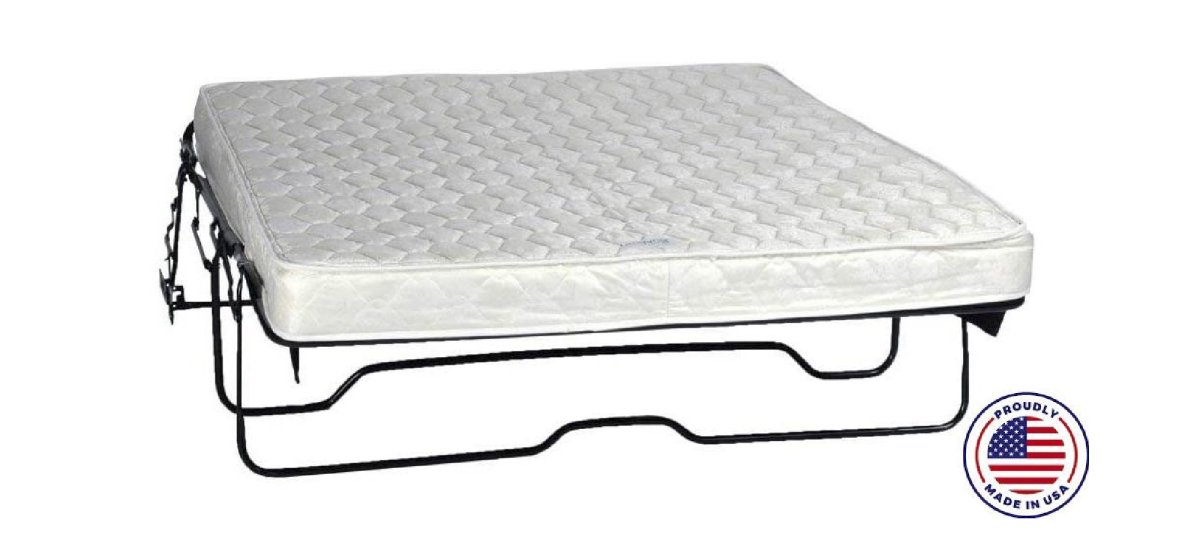
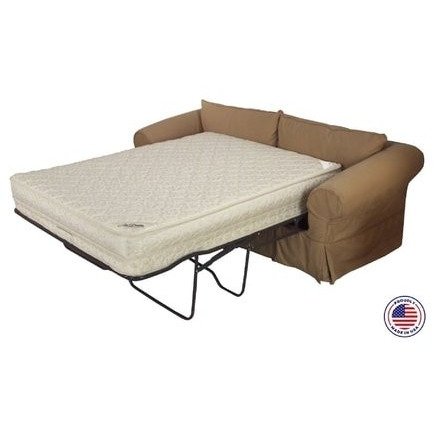
Buying furniture as a finished unit hides the parts that fail first. A sleeper sofa is a frame, mechanism, deck, cushions, and upholstery, each with its own supplier, lead time, and warranty.
Match the checklist to hotel type and brand standards
Extended-stay rooms cycle sleeper mechanisms nightly; a resort may open a sofa bed a few times a month. For a broader overview of wholesale contract furniture components before finalizing the list, see our buyer's guide.
Set the budget before you set the specification
Build cost per room from components, casegoods, loose furniture, upholstery, mechanisms, plus a contingency line for substitutions and freight. Readers planning a renovation can also review how furniture replacement cycles fit into the procurement timeline. Request current quotes rather than last cycle's numbers.
Balance cost, quality, and long-term value
Total cost of ownership includes replacement frequency, repair labor, revenue-room downtime, and freight. Ask each supplier for the component's expected service life in writing.
Sustainability and documentation
Collect sustainability documentation, material content, recyclability, finish emissions, at specification time, not closeout.
Hotel Renovation Furniture Specifications: Writing Drawings, Quantities, and Approvals
Furniture specifications are the written and drawn requirements telling a manufacturer what to build, in what quantity, and to what tolerance.
Write drawings that a factory can build from
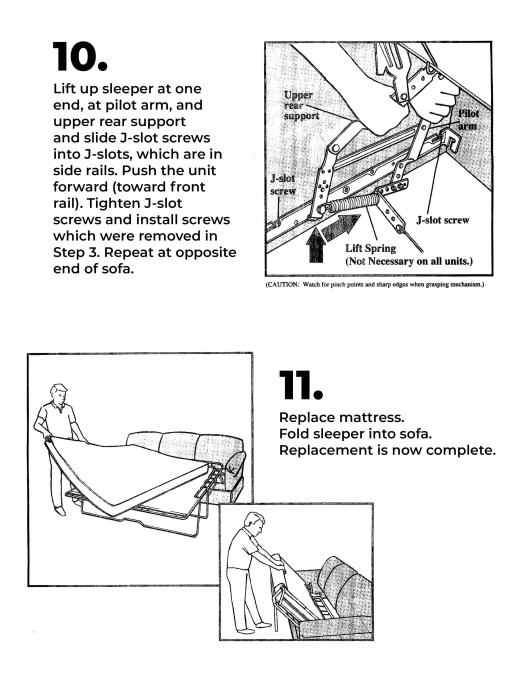
Drawings need dimensions, tolerances, materials, finishes, and attachment details. Before writing sleeper sofa drawings, check the contract market sleeper sofa requirements that govern commercial specifications. "Match existing" causes more rework than any other phrase, measure the condition and put the number on the drawing.
Build the bill of materials by room type
A bill of materials lists every component, quantity, part number, and source. Build one per room type, then roll them into a project total.
Control quantities and substitutions
Require written approval for any substitution, a verbal jobsite approval is a dispute waiting to happen. Label every drawing and bill of materials with a revision letter and archive superseded versions.
Plan around lead times and project phases
Derive order windows from the installation sequence: work backward from each room's guest-ready date, subtracting installation, transit, and manufacturing lead time. For custom mechanisms, factor in custom sleeper mechanism lead times when setting quantities and approvals.
Hotel Furniture Supplier Evaluation and Reliability Checks
Supplier evaluation is the structured review of capacity, documentation, quality controls, and financial stability before a purchase order is issued.
Ask the questions that reveal capacity
Ask how many units they can produce per month, what their backlog looks like, and what happens to your order when a larger client arrives, and get it in writing.
Verify quality controls and acceptance testing
Request the inspection process, sampling plan, and defect handling procedure, and ask whether they will produce a mock-up before full production. Define acceptance testing before delivery and write the criteria into the purchase order.
Check documentation, compliance, and fire safety
Guest room contract furniture is subject to fire safety requirements, and upholstered components typically need supporting documentation. Confirm accessibility requirements, clear floor space, bed height, reach ranges, with the design team.
Confirm the warranty and service policy in writing
Ask what the warranty covers, how a claim is filed, and the response time, then ask how long the supplier has operated.
When you are ready to vet a supplier directly, start a conversation with our team about quotes, technical support, and mechanism assistance.
Watch the import and logistics details
For imported components, confirm in writing which party handles freight, duties, and customs clearance. Log every receipt against the bill of materials so shortages surface immediately.
Coordinate purchases with renovation phasing
Sequence deliveries so components arrive when each room is ready, and stage off-site where space is tight.
Procuring furniture components rewards teams that document everything and specify the parts that fail first. If your project includes sleeper mechanisms, Hospitality Sleeper offers expert consultation to help identify the correct replacement components, backed by American-made square-tube frames and our Lifetime Service Policy.
Frequently Asked Questions
What information should a hotel provide when sourcing furniture components?
Give suppliers the full picture: room counts and dimensions, brand standards, the specification drawings, quantities per component, finish and fabric schedules, and the required delivery windows tied to your renovation phases. Include any accessibility or fire safety requirements that apply to guest room furniture. The more complete the package, the fewer substitutions and revision rounds later, and the easier it is to compare quotes from different manufacturers on equal terms.
How do you evaluate suppliers of contract furniture components?
Look beyond the quote. Ask for production capacity against your schedule, lead times, documentation for fire and accessibility standards, and a clear process for approvals and substitutions. Check whether they handle custom dimensions and how long that takes. For sleeper mechanisms, ask about frame construction and what the service policy actually covers. A supplier who answers these in writing, with revision control on drawings, is easier to hold to a schedule than one who only promises durability.
How can hotels coordinate furniture orders with a phased renovation?
Split orders by phase and by room block, not by total project quantity. Sequence deliveries so components arrive just before installation for each phase, and keep a small contingency of critical parts on hand. Confirm lead times in writing and build buffer into the schedule for customs and freight. Track delivery records per phase so missing or damaged items are caught before the next block starts, rather than stalling the whole renovation.