 ultimate-guide
Managing Hotel Renovation Furniture Cycles
Table of Contents
- Building a Hotel Furniture Replacement Schedule
- Guest-Room Furniture Assessment Before Renovation
- Hotel Renovation Furniture Checklist and Procurement Timeline
- Frequently Asked Questions
Last Updated: October 13, 2026
Building a Hotel Furniture Replacement Schedule
Managing hotel renovation furniture cycles starts with a written replacement schedule, not a reaction to a broken frame. At Hospitality Sleeper, we have spent over 35 years supplying American-made sleeper mechanisms to hotels, resorts, and vacation rentals. A hotel furniture replacement schedule assigns every asset type a review interval, a condition threshold, and a budget line before wear appears. Most guestroom furniture follows a five-to-ten-year cycle, but build the calendar around use: a sleeper sofa mechanism works every night, a desk chair occasionally.
| Asset | Review Interval | Typical Replacement Trigger |
|---|---|---|
| Sleeper sofa mechanism | Every 12 months | Frame flex, bent tubes, hard folding action |
| Mattress and cushions | Every 3-5 years | Compression, staining, sagging |
| Casegoods and desks | Every 7-10 years | Delamination, broken hardware, dated finish |
Guest-Room Furniture Assessment Before Renovation
A guest-room furniture assessment is a room-by-room inspection scoring each item on condition, guest impact, and remaining life before any renovation budget is approved. Inspect the highest-traffic rooms first, then compare them against rooms that sit empty more often; the gap tells you whether the problem is the furniture or the occupancy pattern. Score each item on structural integrity, upholstery and finish condition, guest-facing function, and consistency with the rest of the property.
Assessment feeds directly into capital planning, letting a property defend a renovation budget with data instead of a guess.
Hotel Renovation Furniture Checklist and Procurement Timeline
A hotel renovation furniture checklist keeps a project on schedule by sequencing decisions, not purchases. The procurement timeline is where most renovations lose weeks, because furniture is ordered after design is finalized and the lead time lands mid-season. Work backward from the target reopening date: design sign-off, specification, order placement, factory production, delivery, and installation each consume calendar time. Fast-track projects compress this by prefabricating frames and casegoods, shortening the site phase and reducing room downtime.
A practical hotel furniture procurement timeline: confirm the brief and budget; complete the guest-room furniture assessment and lock the replacement list; finalize specifications with the designer; place orders and confirm production slots in writing; coordinate delivery windows with the construction schedule; stage furniture off-site and install by floor or wing; then inspect, correct defects, and release rooms back to inventory.
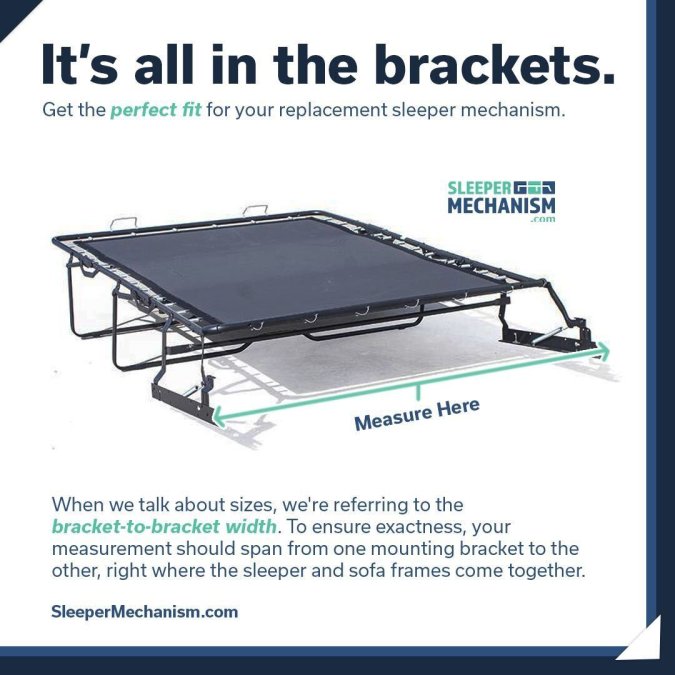
The hotel renovation furniture checklist covers the coordination points that decide whether those steps hold: asset records updated with model and serial numbers; replacement schedule reviewed against new installation dates; custom-sized mechanisms confirmed for non-standard sofa dimensions; delivery and staging agreed with the general contractor; a phasing plan that keeps a block of rooms sellable; and post-installation inspection criteria defined before work begins.
Guest satisfaction during renovation depends on this phasing more than on the furniture itself. Renovate by wing, keep amenities and access routes clear, and communicate the schedule to front desk staff so they can set expectations at check-in.
Where does Hospitality Sleeper fit? We manufacture and supply the sleeper mechanisms themselves, working with furniture manufacturers integrating commercial-grade mechanisms into contract sofa lines and with procurement teams sourcing replacements for existing inventory. Our square-tube frame construction is built for the repeated folding cycles a hotel sofa sees, and our Lifetime Service Policy keeps a property covered long after installation.
AHLA hospitality industry data and trends
Renovation cycles do not have to be disruptive. With a documented replacement schedule, an honest room-by-room assessment, and a procurement timeline built alongside the construction plan, furniture becomes a planned capital item instead of an emergency. Hospitality Sleeper supports that work with American-made sleeper mechanisms, square-tube frame construction built for heavy commercial use, expert consultation on identifying the correct replacement parts, and a Lifetime Service Policy that keeps properties covered across repeated cycles. Get started with Hospitality Sleeper and put your next renovation on a schedule you control.
Frequently Asked Questions
How often should hotels replace guest-room furniture?
Most hotels follow a five-to-ten-year renovation cycle for guest-room furniture, though the exact timing depends on occupancy rates, guest volume, and asset condition. High-wear items like sleeper sofa mechanisms and upholstered seating may need earlier attention, while solid wood case goods can often last through two cycles. A hotel furniture replacement schedule built around asset type, not a single blanket date, gives procurement teams far more control over capital planning and room downtime.
What should a hotel renovation furniture checklist include?
A hotel renovation furniture checklist should cover furniture removal logistics, room-by-room inventory counts, replacement lead times, installation sequencing, and guest-impact mitigation plans. It should also account for custom-sized sleeper mechanisms that require longer procurement windows. Coordinating with manufacturers early in the renovation budget process helps avoid last-minute delays and keeps the project timeline on track from demolition through final installation.
How can hotels coordinate furniture delivery with renovation schedules?
Stagger deliveries by floor or wing so installation crews are never waiting on shipments and occupied rooms stay undisturbed. Build a hotel furniture procurement timeline that accounts for manufacturing lead times, freight scheduling, and on-site staging space. Working directly with American-made suppliers who understand hospitality renovation phasing reduces the risk of missed delivery windows and keeps room downtime to a minimum during peak booking periods.